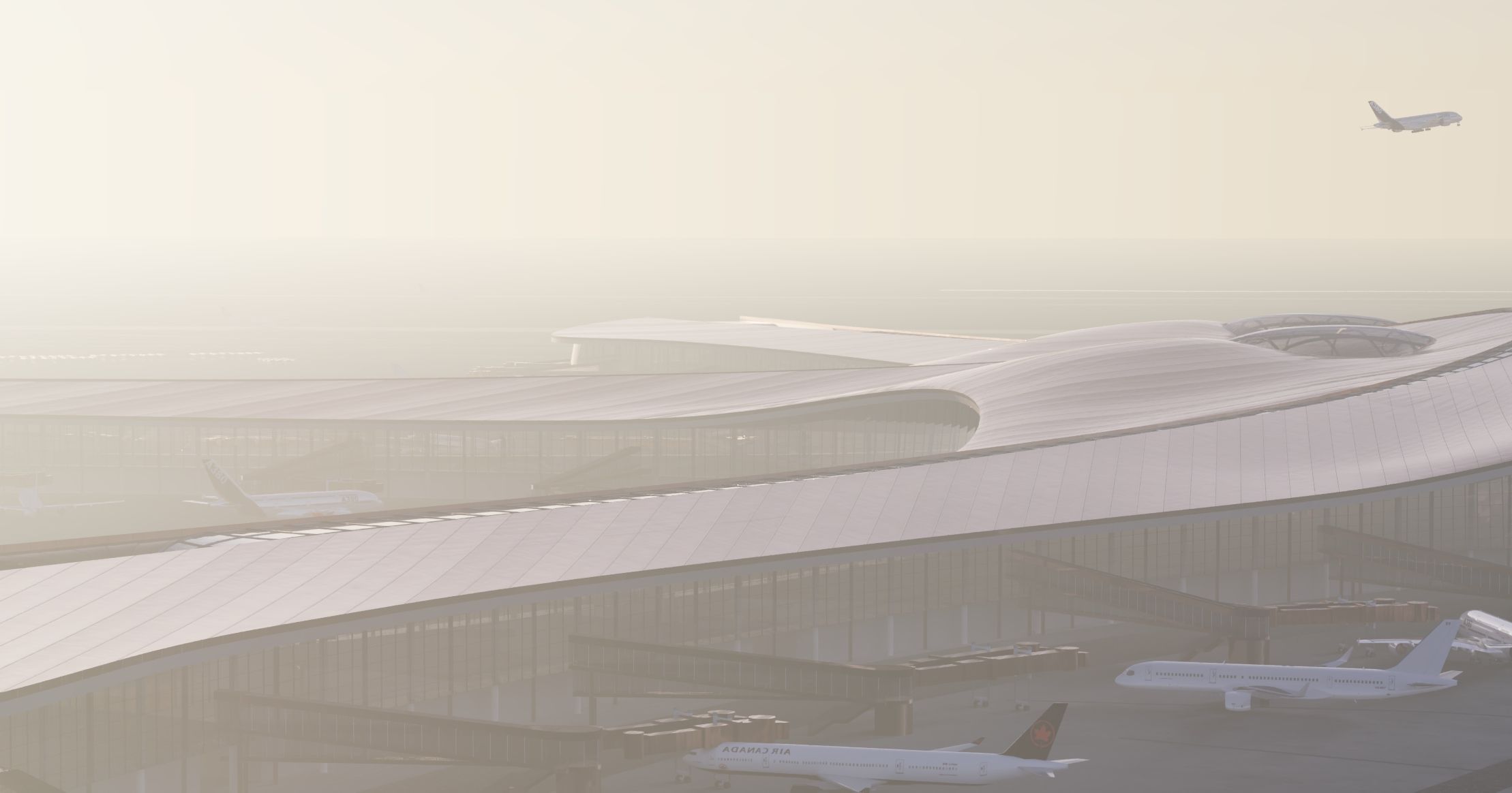
10 Years of Architectural Visualization at Darkroom Studio
If we had to describe the last ten years in one word, it would be exciting.
Darkroom Studio started in Niš in 2016 as a way to keep working in a slow market. Ten years later, we are an architectural visualization studio of 18 people, creating renders, animation and VR for architects and developers in the United States, Australia, New Zealand and the Middle East.
So far, that adds up to 500+ projects for 45+ clients on four continents.
This is how we got here, told through the moments that actually changed something. Including the one with two suns.
From freelance to a full-time studio
The honest reason Darkroom exists is a mix of circumstances. Back then there was very little work in architecture, so we tried freelancing. It worked, and it very quickly turned into a full-time job.
Danilo was there from the very first day and is still with us. Luka was with us for many years, and a good part of how the studio grew is his credit.
The first projects we remember best are Norwegian log cabins, which were popular at the time. It was stress-free work, with plenty of freedom and no stressful deadlines.
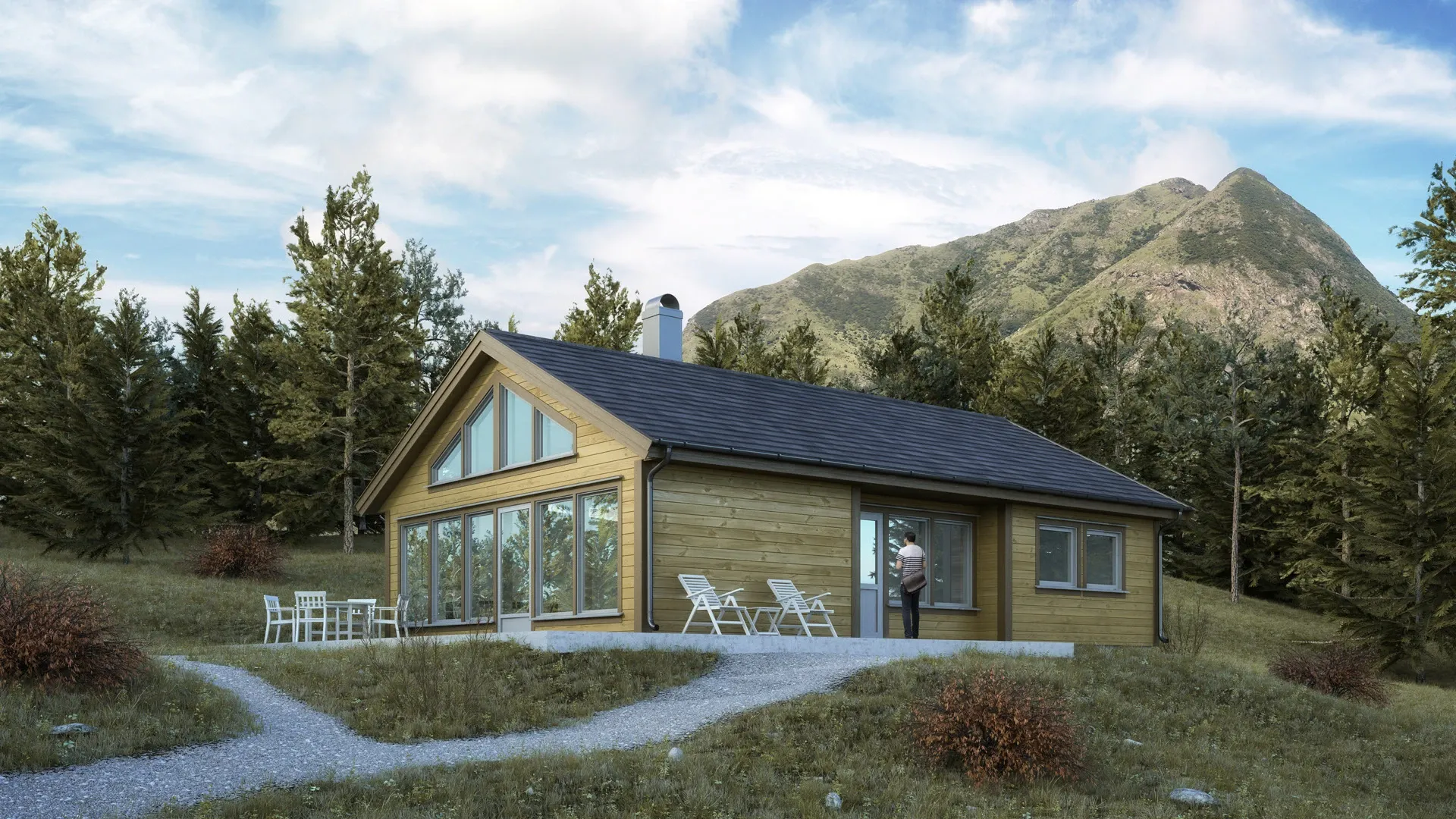
Norwegian log cabins
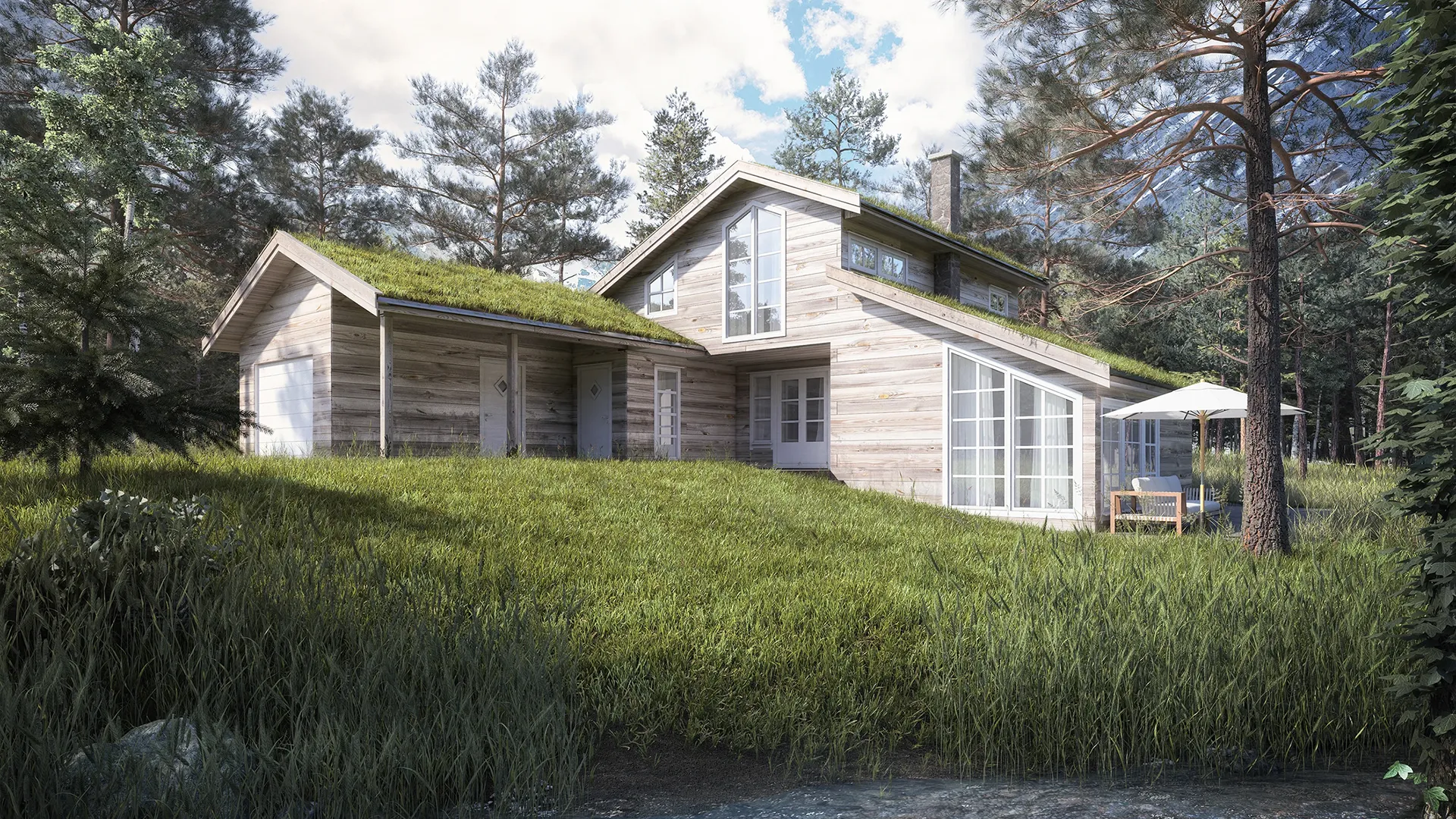
Shipping containers, V-Ray and two suns
The first bigger client that moved things forward was a Norwegian consortium that built almost everything out of shipping containers: student housing, hospitals, schools. Alongside the 3D rendering, we also did some design work for them. It was also our last attempt to stay in the profession.
Back then, V-Ray was what Corona is today, and Photoshop was the constant in post-production. It took us a long time to dare to try architectural animation, because at the time it needed a serious render farm to produce results that were not very serious.
One project proves that better than anything we could say.
We took on an animation that was far above our capabilities, but not above our appetite. Close to the deadline, we realised there was no way to finish in time. We sent everything to online render farms, maxed out the client's card, then maxed out ours. A few hours before delivery, we noticed the scenes had two animated suns.
We were so tired it did not even cause a breakdown.
The animation was a failure. The client appreciated the effort we put in, and we still work with them today.
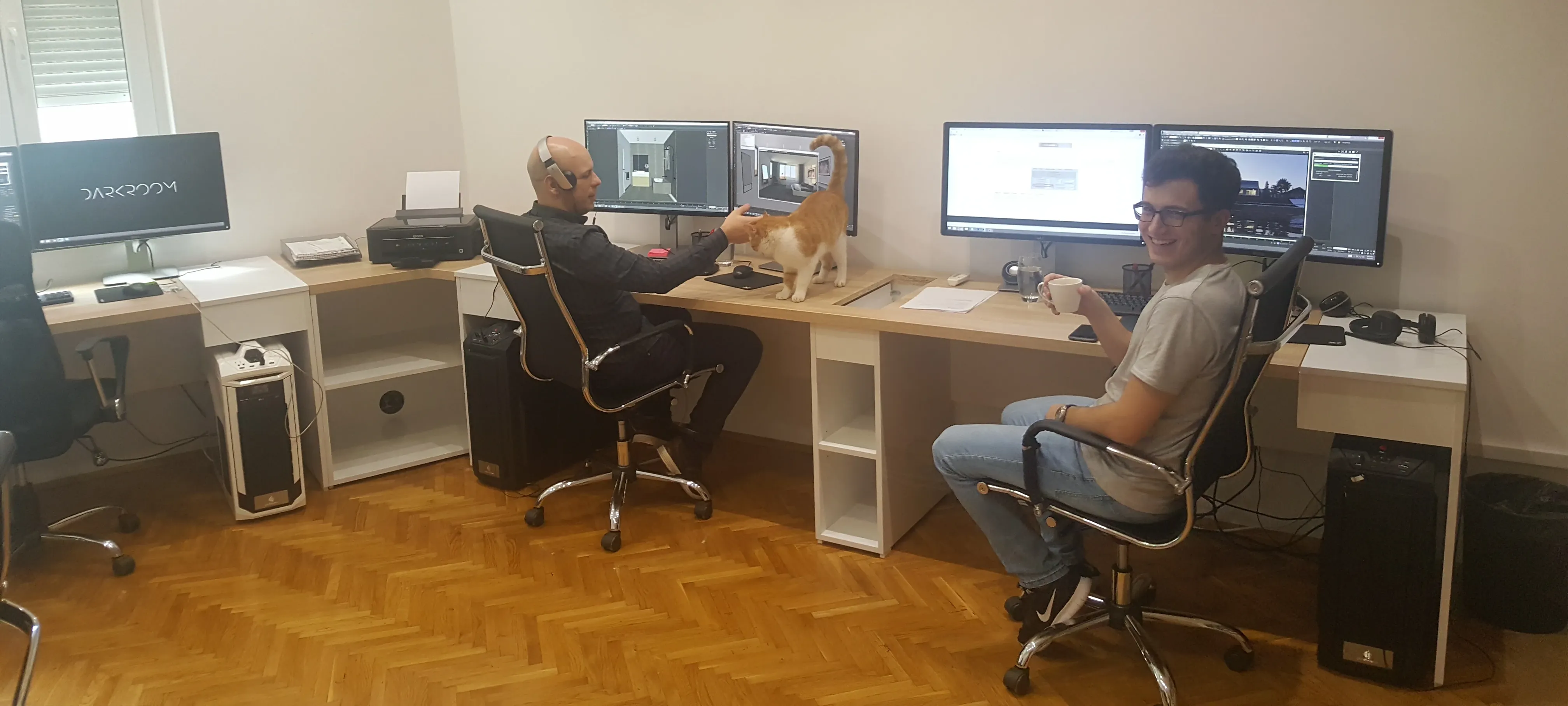
The Darkroom team in the early years.
The decision that changed our direction
Together with partners from Australia, we decided to double our capacity. It was our biggest step forward and one of our biggest challenges.
We started 2023 with a doubled team and upgraded equipment, ready for more projects than ever. Then the global housing market slowed down, and projects stopped almost overnight.
The partnership did not bring the results we expected, and it forced us to explore new markets so we could keep our people. We reduced working days and adjusted salaries. Not everyone could stay. We used the quiet period for in-house education and started working in new areas, like product visualization.
By the end of the year, paused projects slowly came back and new ones started to arrive.
Covid, AI, wars, financial crises. Every year brings its own challenges, but so far we have managed to overcome each of them.
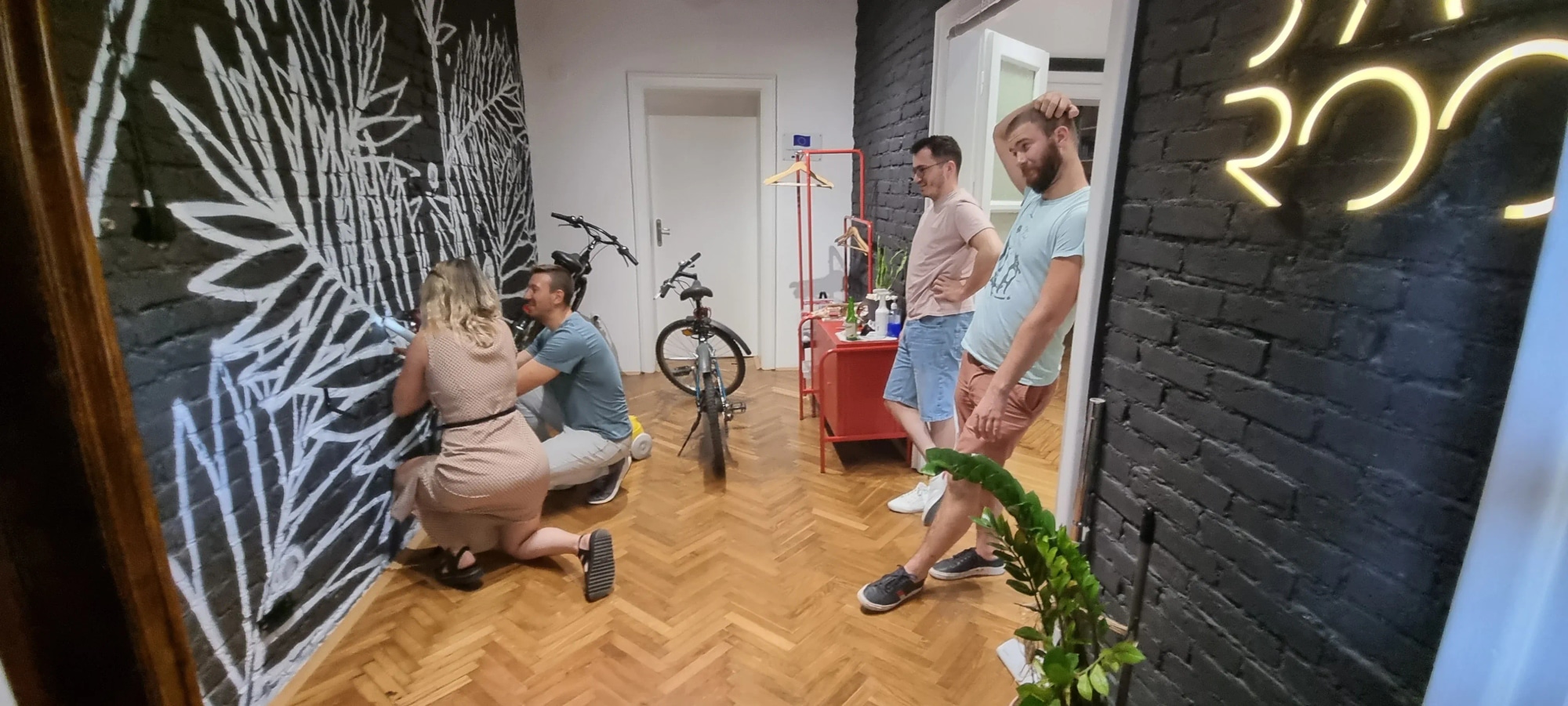
Our old studio, animated in 2020.
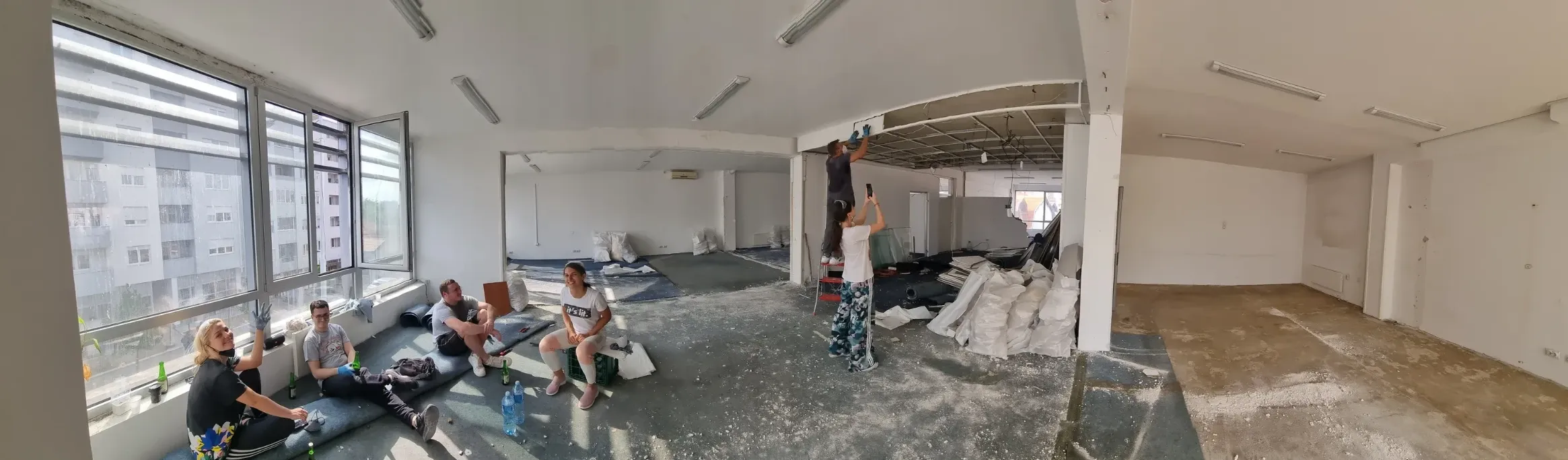
Building our new studio for 2023.
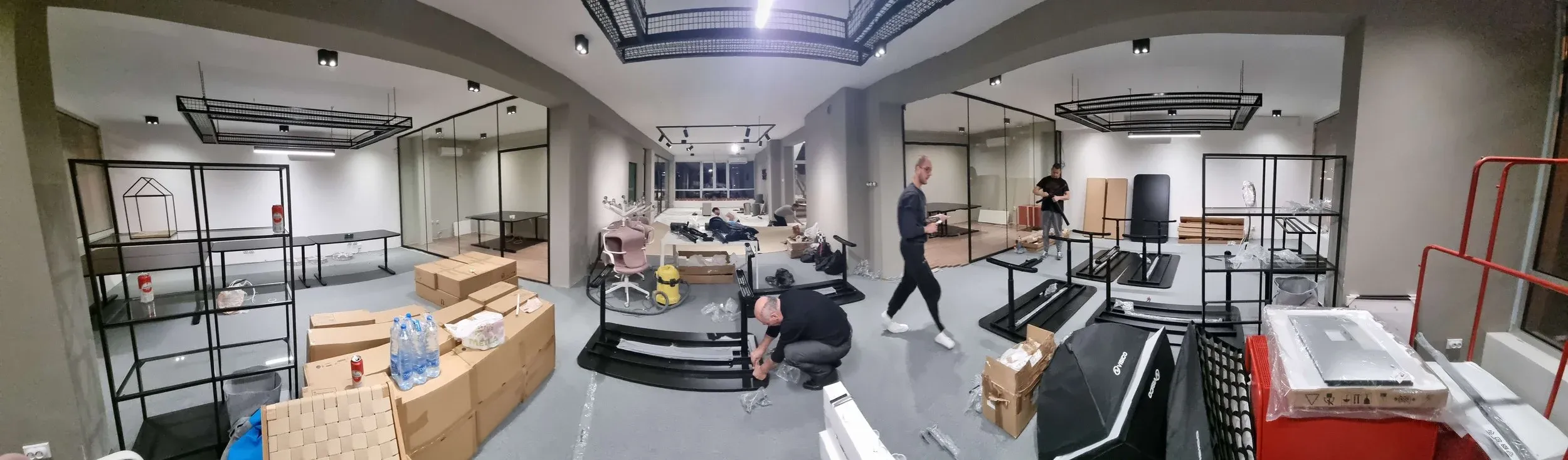
Darkroom today
Today we are a team of 18. Most of our work comes from the United States, Australia, New Zealand and the Middle East. We work with architecture firms, real estate developers and investors, including Gensler, Perkins Eastman, Woods Bagot, DLR Group, Carr, DKO, Cera Stribley, Plus Architecture, Rilea Group and Oneworld Properties. Today we have long-term clients we work with through every stage of development, from approvals to marketing materials.
We are known for reliability and quality. In our experience, reliability is what clients value most.
“We have been working closely with them for many years and continue to send them work as they’re extremely talented, professional and work with quick turnarounds which is what we need. We have access to the best companies out there and continue to give 100% of our jobs to Darkroom.”
Diego Ojeda, President, Rilea Group
Some of the architecture firms, developers and investors we work with.
“Darkroom has been a big part of my professional growth for eight years now. Today, as Creative Director, it is especially important to me to watch our 3D artists progress, develop their own style and get better at what they do. I love that through my work I can contribute not only to the quality of our projects, but also to the growth of the people I work with, because I believe a good team grows together. I especially enjoy projects for the Australian market, because their design often brings that combination of aesthetics, natural materials and attention to detail that feels close to me, and that I love to carry through in visualization.”
Stefana Ristić, Creative Director & Team Leader, at Darkroom since 2018
“Reflecting on nearly eight of Darkroom Studio’s ten years, I’m deeply grateful for how we’ve grown, driven by a shared belief in what we were building together. My priority as a Project Manager has always been empowering our team and building strong, trusted relationships with our clients, while guiding complex projects and ensuring everyone feels supported. I’ve always valued our culture of innovation and open communication, and having the opportunity to lead and grow in that environment makes celebrating everything we’ve accomplished over the past decade especially meaningful.”
Aleksandra Vukašinović, Team Leader & Senior Artist, at Darkroom since 2019
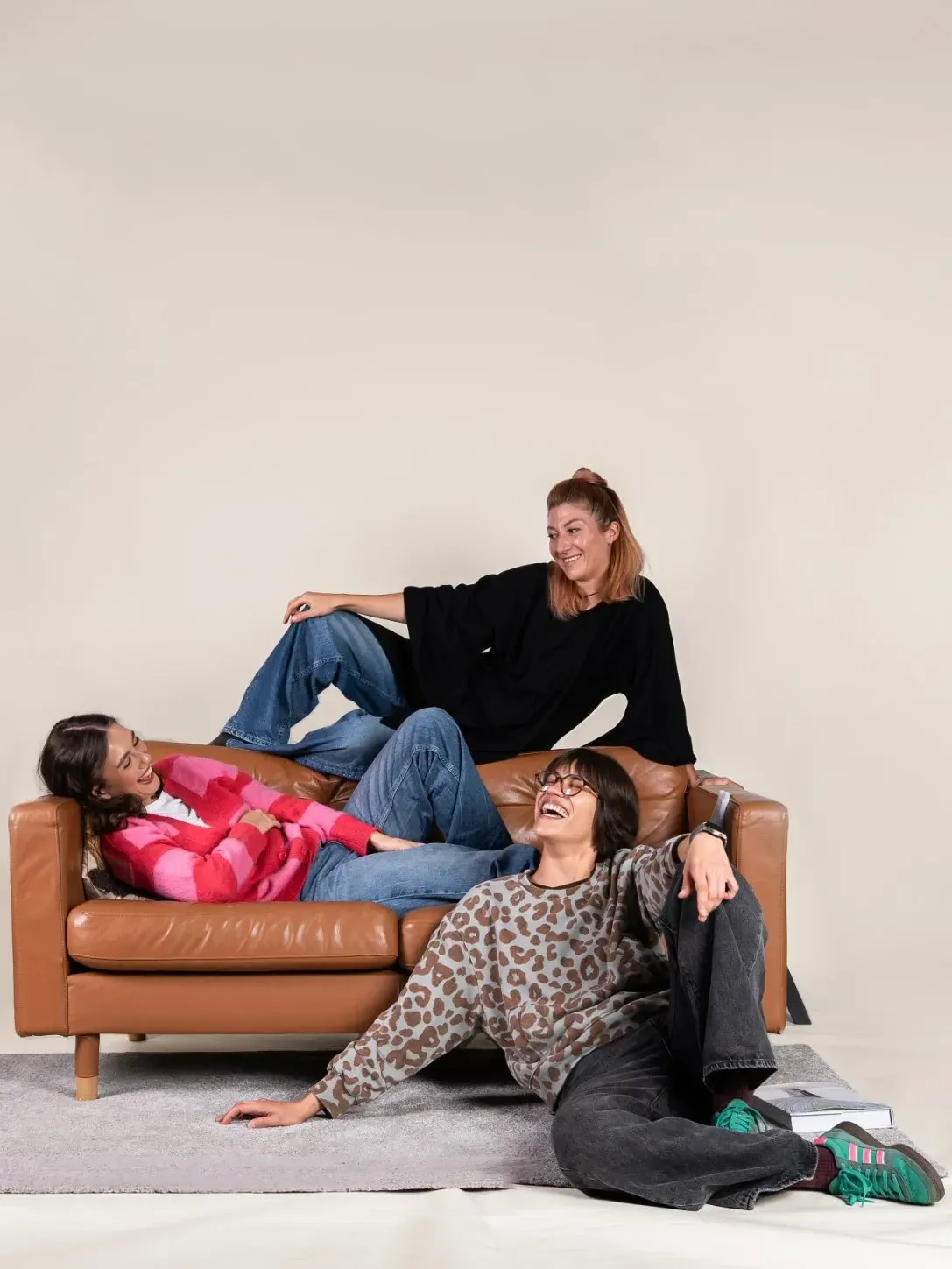
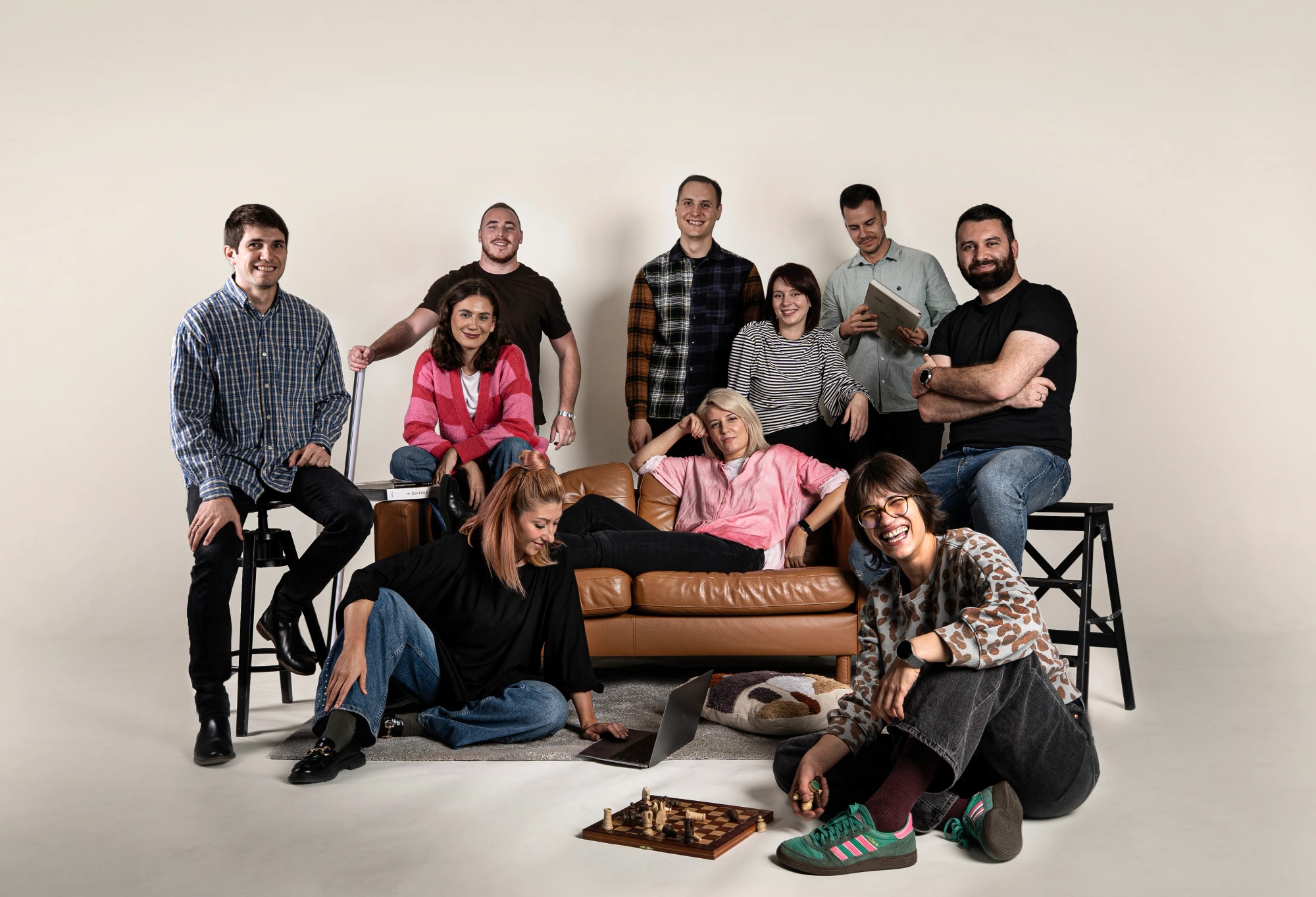
Part of the Darkroom Studio team, Niš, 2026.
How architectural visualization has changed
The final product is still a render. Almost everything around it has changed.
Fifteen years ago, a photorealistic image was reserved for artists who had both a good eye and the technical skills to fine-tune the render. Today, a photorealistic render comes practically out of the box with render engines.
The tools changed too. Corona replaced V-Ray about seven or eight years ago and became the first choice for many arch viz studios. Photoshop is still irreplaceable in post-production. There are many AI tools out there, but for architectural visualization, Nano Banana has become an everyday tool, just like the other two.
And so did the projects. In the early years we mostly worked on smaller projects for small architecture firms and developers. That had its advantages: no NDAs, no strict deadlines. Today our focus is on large architecture practices, with bigger and more complex projects. So each has its own.
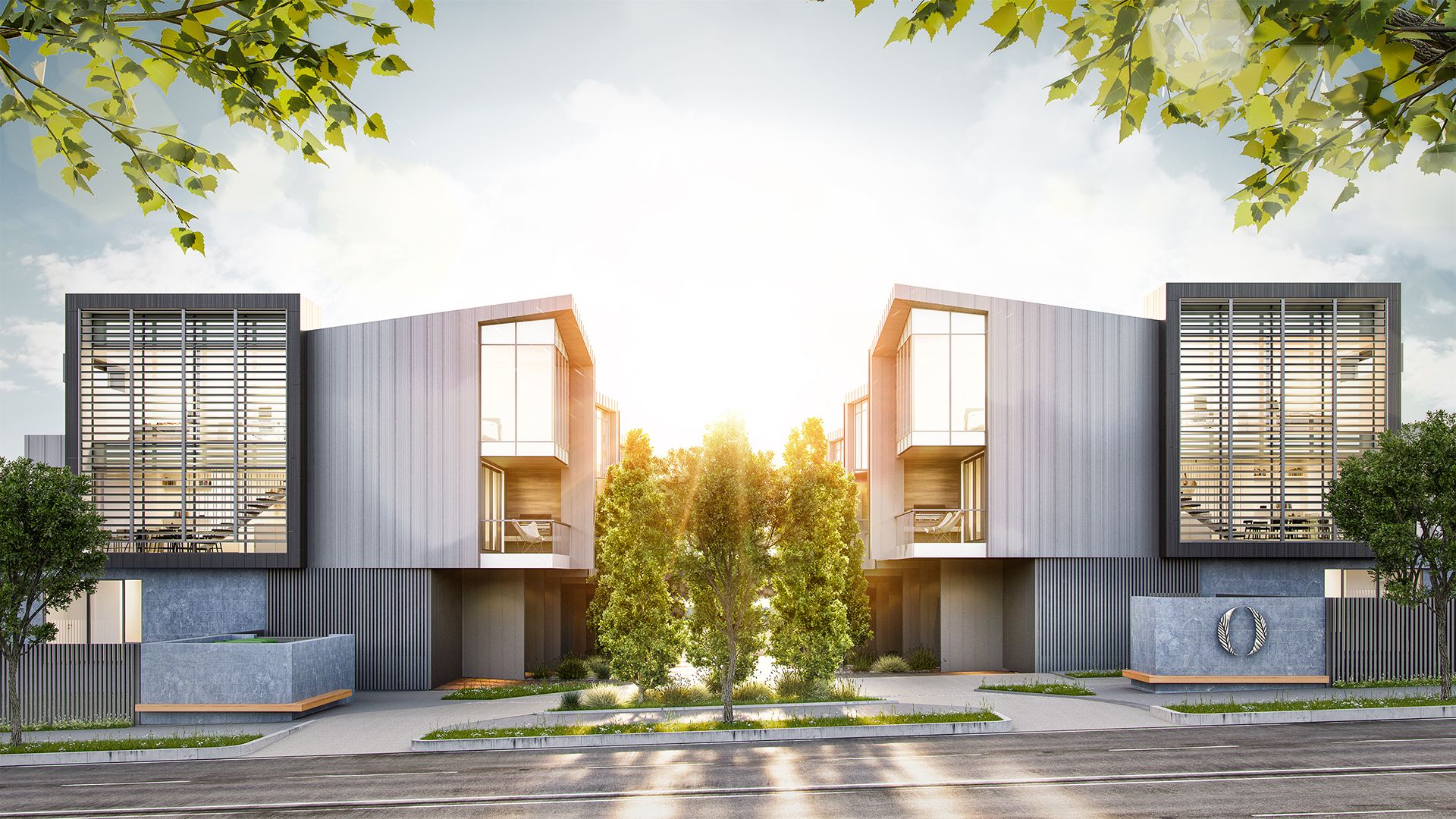
Wisteria lane, 2016.
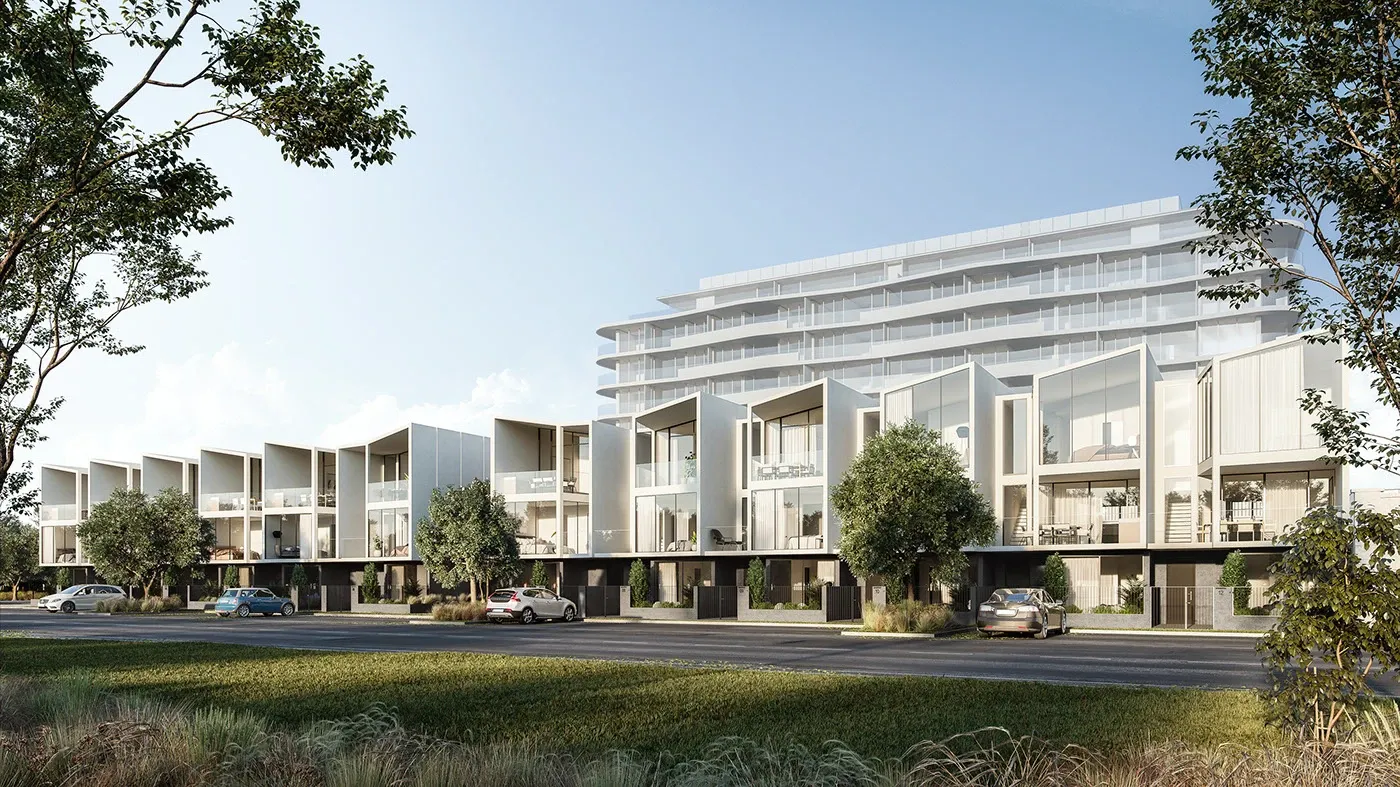
Waterline, 2019.
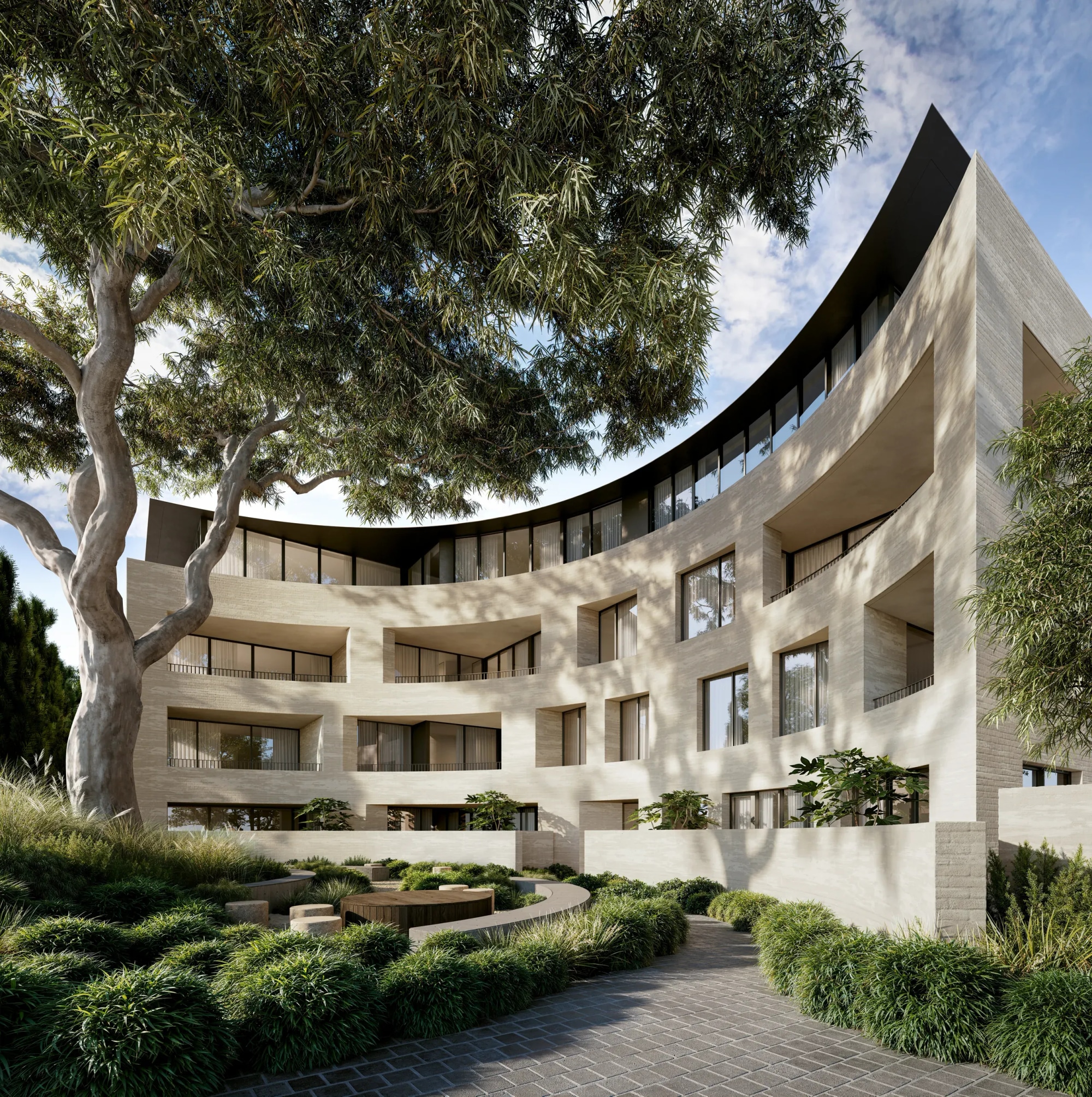
Grandview, 2024.
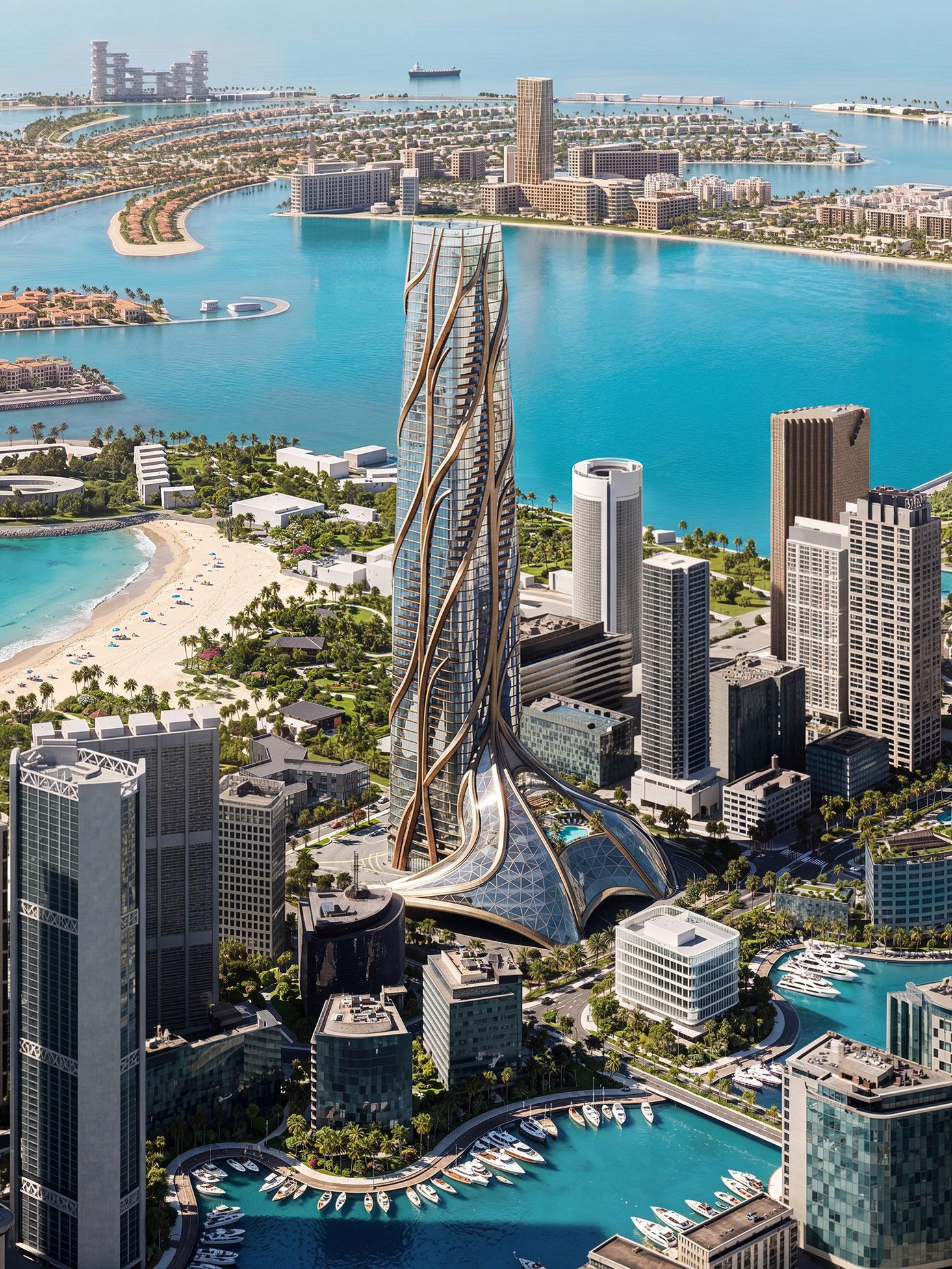
NAVI, 2026.
What the next ten years look like
Arch viz is changing fast, and we have to change with it. The foundations the studio was built on, reliability and quality, stay. But staying competitive in the AI era brings its own challenges.
Our focus for the next decade is on new, more complete solutions, with more to offer both to our clients and to the people who work here.
One of those solutions is already here. NAVI is our sales software for property developers, bringing the whole project into one place for the sales team and buyers.
We are also getting closer to our clients. After years of working together, Edi Zhubi is now our General Manager for Australia and will represent the studio in the Australian market.
And a thank you.
To our team today, for everything they bring to the studio.
To everyone who has been part of Darkroom over the years and helped us become better.
And to all of our partners.
Ten years in, it is still exciting. If you want to see where we are now, start with our latest work.